

If you are ready to tidy the hedges without razing the park, you are in the right place. Below is a practical, slightly cheeky guide to grooming the goods with confidence, comfort, and a little style. You will learn which tools to use, how to prepare, and the smartest techniques to keep everything neat while avoiding nicks, bumps, and awkward itch.
Whether you prefer a close trim or a clean, sculpted look, this walkthrough keeps things simple, safe, and effective. For folks shopping around for new shaving products, this will also help you understand what matters and what truly does the job.
Table of Contents
Why Grooming Matters
Grooming is not about chasing an impossible standard, it is about comfort, hygiene, and control. When hair is kept at a consistent length, sweat disperses more evenly, skin breathes a little better, and you feel fresher throughout the day. Trimming also reduces tugging during workouts, cuts down on post swim chafing, and makes routine cleaning feel less like a chore. The goal is not to change who you are, it is to present your best self with fewer annoyances and more ease.
Tools of the Trade
Trimmers and Guards
A quality body trimmer is the heart of the operation. Look for a device with multiple guard lengths, a reliable motor, and a blade that stays cool during longer sessions. Waterproof construction is a bonus since you may prefer shower trimming. Ceramic blades tend to stay sharp and feel smooth against skin. Metal blades are durable and precise. Either option works as long as the trimmer does not snag and the guard locks firmly in place.
Scissors and Combs
For a quick tidy or precise shaping, a small pair of rounded tip grooming scissors is great. A fine comb helps lift hair and shows you how even your trim really is. If you are refining edges or adjusting length in specific zones, scissors offer slow, exact changes that a trimmer might rush through.
Pre Shave Prep
A warm rinse or quick shower softens hair and opens pores. If you are trimming dry, at least cleanse the area with a gentle wash to remove sweat and oils that can gunk up blades. Pat dry and avoid heavy lotions before you begin, since residue can cause the trimmer to skate rather than cut.
Aftercare Staples
Stock a mild, alcohol free toner, a soothing gel with aloe or calendula, and a fragrance free moisturizer. If you are prone to ingrowns, a low strength salicylic or glycolic product helps keep follicles clear. Keep these simple and skin friendly. The goal is calm, hydrated skin that does not sting or shine.
The Step By Step Trim
Map the Terrain
Before you start, decide where you want more length and where you want less. Think about comfort when running, sitting, and stretching. Some people prefer a close crop around the base and a slightly longer length on the upper area. Others keep a clean border along the inner thighs for less friction. Choose a plan that matches your lifestyle and wardrobe.
Dry or Damp
Dry hair shows true length, which makes even trimming easier. Damp hair feels softer, which can be helpful for beginners, but it can also clump and hide uneven spots. If you trim damp, finish with a light pass once dry to even things out. Either way, keep the workspace well lit and use a mirror you can angle without balancing one leg on a sink like a circus act.
Work With the Grain
Start with the longest guard first. Move the trimmer slowly in the direction of growth, short strokes, gentle pressure. Long to short is the secret to avoiding accidents. Once the longest pass looks steady, drop to the next guard only where you want it shorter. Resist the urge to jump straight to a no guard pass. That is where most nicks happen, and it is where irritation likes to set up camp.
Clean Up the Edges
For borders, switch to a shorter guard or carefully remove the guard if you are confident. Hold skin taut with one hand and use the other to guide the trimmer in tiny moves. Think of outlining a map. Keep the line natural and avoid sharp corners that can look odd as hair grows back. If you prefer a smoother finish in tight zones, use a fresh, single blade safety razor or a cartridge with a sharp, clean head. Short, slow strokes, plenty of water, and a light touch will keep skin happy.
Shower, Soothe, and Inspect
Rinse with lukewarm water to dislodge loose hair. Cleanse gently, then pat dry. Use your toner or soothing gel where you shaved closest. Finish with a thin layer of moisturizer. Check the result in good light. Look for stray tufts at different angles. A two minute final pass prevents the next day surprise that always appears when the elevator doors turn into mirrors.
Skin Types and Common Problems
Sensitive Skin
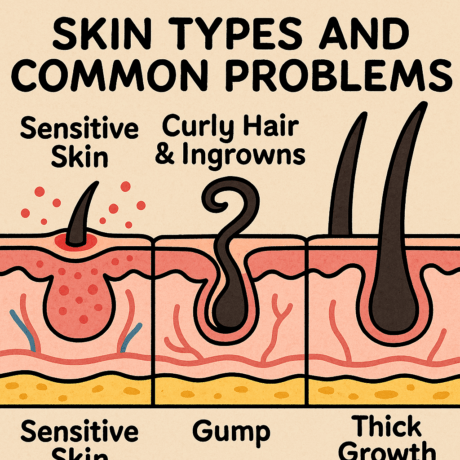
If your skin protests over everything, keep the guard longer, avoid dry shaving with bare blades, and trim less often. Patch test any aftercare on a small area first. Choose fragrance free products and avoid heavy scrubs that can turn micro cuts into a burning situation. If redness flares, a cool compress calms the area. Hydrocortisone cream can help in a pinch, although it should be used sparingly and not as a daily plan.
Curly Hair and Ingrowns
Curly hair bends back toward the skin, which raises the risk of ingrowns. Leave a bit of length, about a two or three guard, so hair clears the surface instead of curling inward. Exfoliate gently a few times a week with a soft washcloth, then apply a product with salicylic acid to keep pores free. If you do get an ingrown, do not dig. Warm compresses and patience work better, and a sterile needle should be a last resort reserved for stubborn, visible loops.
Thick Growth
If your hair is dense, begin with a longer guard to debulk. Move slowly so the blades can chew through without tugging. Clean the head halfway through, because packed hair forces the motor and heats the blade. After the main cut, one pass in a cross direction, still with a guard, will catch the stragglers that grow in a swirling pattern.
Hygiene, Safety, and Frequency
Keep tools clean. After each session, brush out the blades, rinse if your trimmer is rated for it, and dry completely. A single drop of oil on the blade edge keeps cutting smooth and reduces heat. Replace guards or heads that crack or warp. Sharp and straight is safer than dull and stubborn.
As for timing, most people like a tidy up every one to two weeks. If your skin is sensitive, stretch to two or three. Pay attention to how your skin behaves after each schedule. If redness lingers, increase your guard length or push the next session a few days.
Be careful with fragrances right after a trim. Cologne on freshly worked skin can feel like a campfire. Wait until the next day or apply only to clothing. Choose breathable underwear that does not trap sweat. Trimming helps, but fabric still plays a major role in comfort.
Finding Your Personal Shape
There is no single correct look. You might prefer a uniform crop, short but not shaved. You might favor a gentle taper from the upper area down to a closer cut near the base. Some like a defined outline that mirrors natural lines. The trick is harmony. Keep transitions smooth so the eye does not trip from long to short.
If you ever wonder why it looks slightly off, the answer is usually that one small zone is a guard shorter than its neighbor. Even it out, then stop before you get caught in the spiral of one more pass.
When to Use a Razor
A razor gives a cleaner finish, although it also raises the risk of irritation. If you choose to shave certain zones, do a final pass with a short guard first. Apply a clear gel so you can see what you are doing. Shave with the grain, rinse the blade often, and let the razor do the work with gentle pressure. If you feel scraping, stop and rinse, because gunked blades punish skin. Afterward, avoid tight waistbands for a few hours and skip intense workouts until the skin settles.
Troubleshooting Guide
If you feel constant itch the day after a trim, the guard might have been too short or the skin too dry. Next time, bump the length up a notch and moisturize immediately after rinsing. If you notice red dots, that is likely irritation from too close a pass or an old blade.
Replace the head, slow down, and try a protective gel in spots you plan to shave. For recurring bumps in the same area, leave extra length there for a month while using a mild chemical exfoliant. That break lets the follicles reset.
Confidence, Comfort, and Consistency
The most natural look is the one you can maintain consistently. Complicated patterns tend to grow out with a patchy vibe that requires constant attention. Keep your approach simple, choose a length that feels comfortable during your daily routine, and focus on clean edges that match your body.
Remember that grooming is not a test. It is a quiet ritual, a small bit of maintenance that gives you an outsized boost in confidence when you pull on a swimsuit or lace up for a run.
Conclusion
Manscaping is a skill anyone can learn with a calm hand, a smart plan, and decent tools. Start long, move slow, and treat skin kindly. Keep blades clean, pick a comfortable length, and finish with soothing care. When in doubt, trim less, not more. You will look tidy, feel fresher, and avoid the sting that comes with rushing the job.